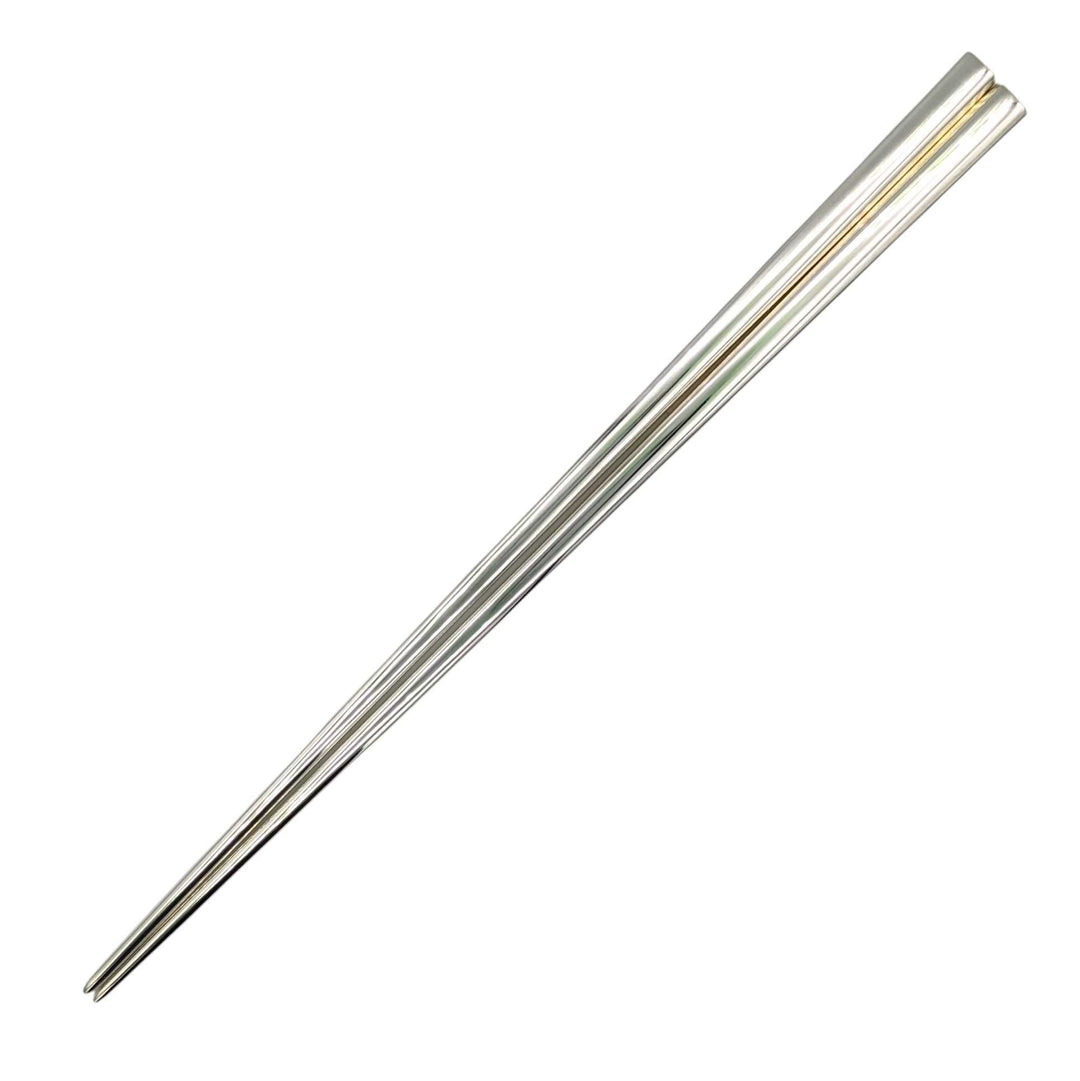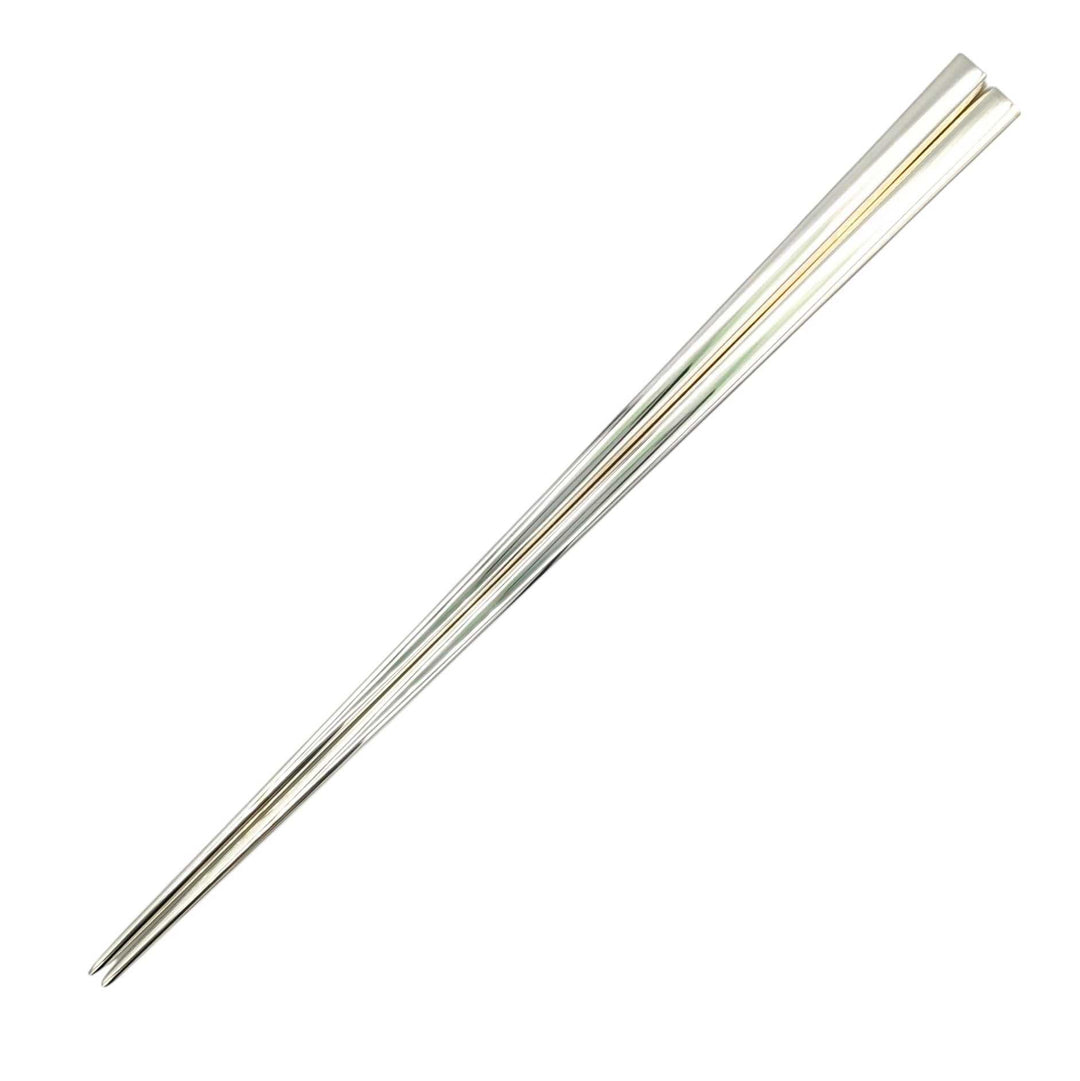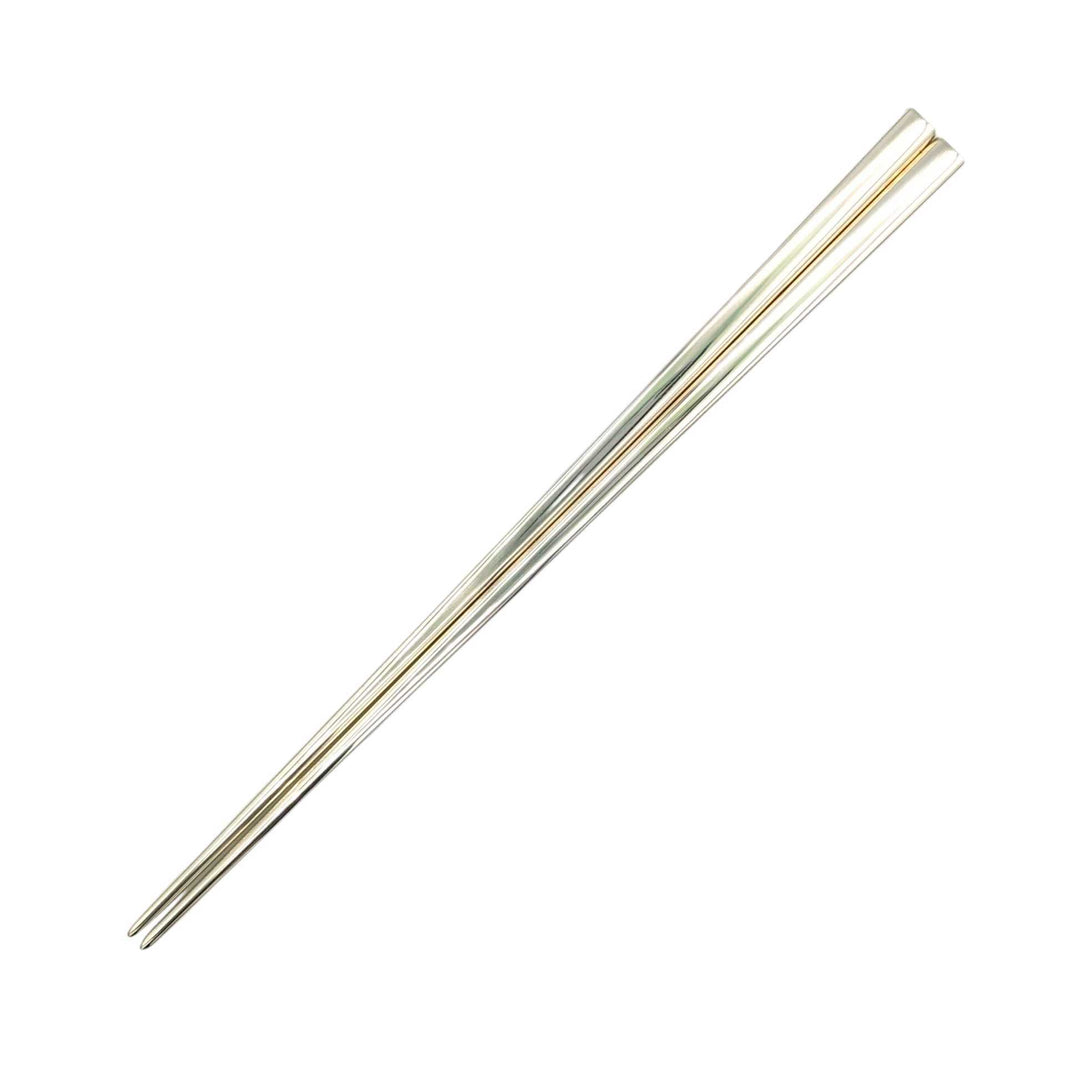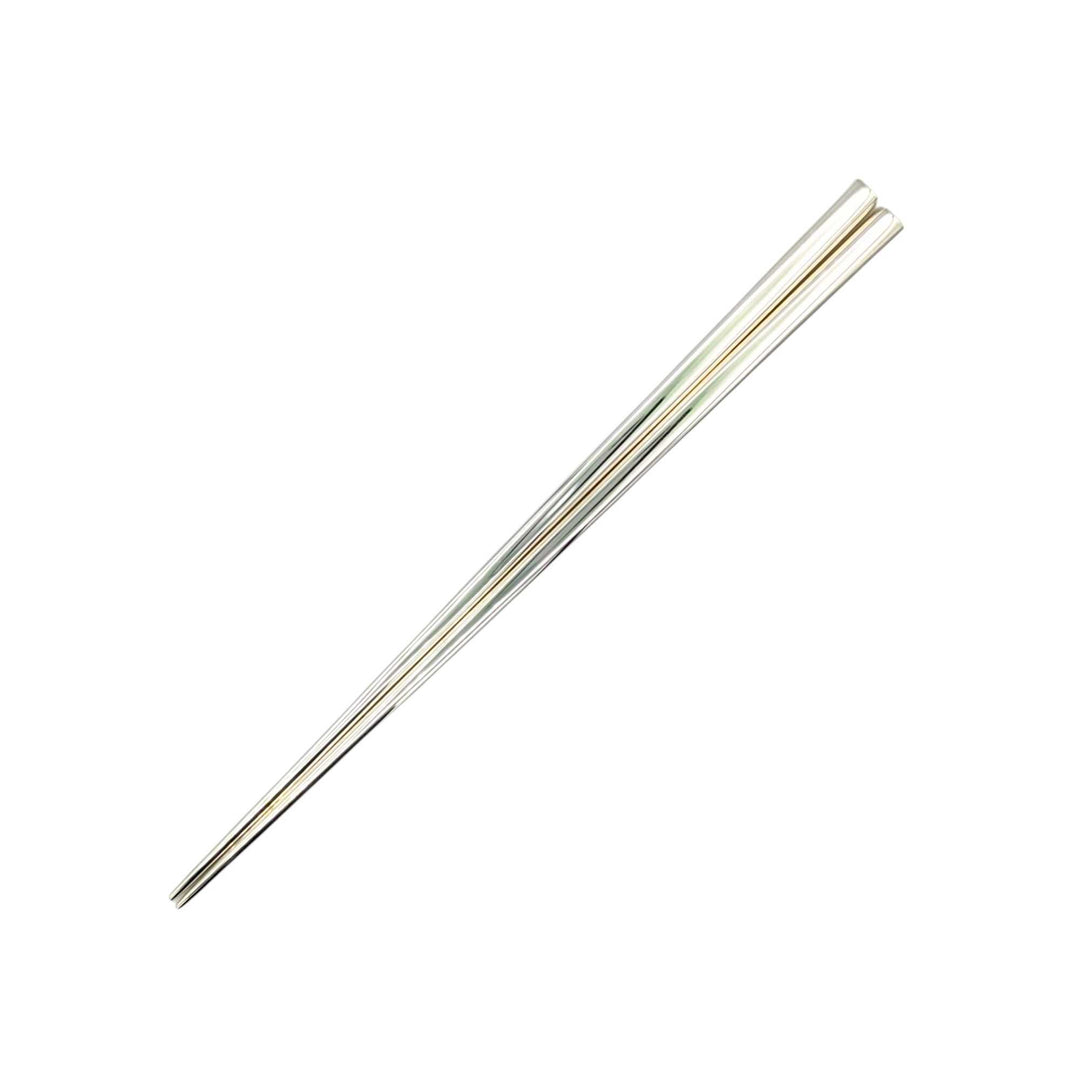
Are Silver Chopsticks Worth It? Guide & Care Tips
With their rich, elegant shine, silver chopsticks are more than just utensils—they are a reflection of history, craftsmanship, and the quiet joy of ownership.
At Ginza Natsuno, we are proud to present silver chopsticks crafted in the Tokyo Ginki tradition—an officially recognized Japanese metalwork craft known for its fine detailing and use of pure silver. These are pieces we recommend to those who value authenticity, refinement, and timeless beauty.
 |
Meet Our Expert, Mr. Minemura |
Why Silver Chopsticks Are Considered a Valuable Asset
The use of silver in chopsticks dates back over 2,500 years. Like gold, silver has long been prized as a rare and beautiful precious metal. Throughout history, it has held special meaning—not just for its brilliance, but for the care and tradition behind how it's used.
Why Silver Has Been Treasured Through the Ages
Across cultures and generations, silver has been respected as a material of lasting value. Its rarity, beauty, and practical benefits have made it a choice for refined dining utensils—used in settings where quality and meaning mattered most.
That said, the value of silver isn't just about wealth or status. At its core, it lies in the material itself, and in how its beauty deepens with time and use. In Japanese dining culture, tools like chopsticks are not meant to be disposable. They are intended to be used, cared for, and passed on.
At Ginza Natsuno, we believe pure silver chopsticks should not be seen as a status symbol, but as meaningful tools—made to be used daily and cherished for a lifetime.
Browse Our Silver and Gold Chopstick Collections
Why Do Silver Chopsticks Turn Black?
One of the most common questions about silver chopsticks is why they sometimes change color. Silver naturally reacts with certain elements in the air or food, causing the surface to darken—a process known as sulfurization.
This reaction is not caused by toxins. It's a natural chemical process that occurs when silver comes into contact with sulfur compounds, which are found in everyday items like eggs, some spices, or even natural hot spring minerals.
Far from being a flaw, this darkening is a sign of genuine silver. It's a natural characteristic that reflects the material's authenticity.
And the good news is with proper care, silver can always regain its original shine. At Ginza Natsuno, we don't see this change as damage—we simpy see it as a characteristic of silver. With a bit of maintenance, your silver chopsticks can be enjoyed for many years to come.
Tokyo Ginki: Pure Silver Chopsticks As Traditional Craft

The silver chopsticks offered at Ginza Natsuno are certified Tokyo Ginki, a traditional Japanese metalcraft officially designated by the Japanese government. Each pair undergoes strict evaluations to meet this national standard.
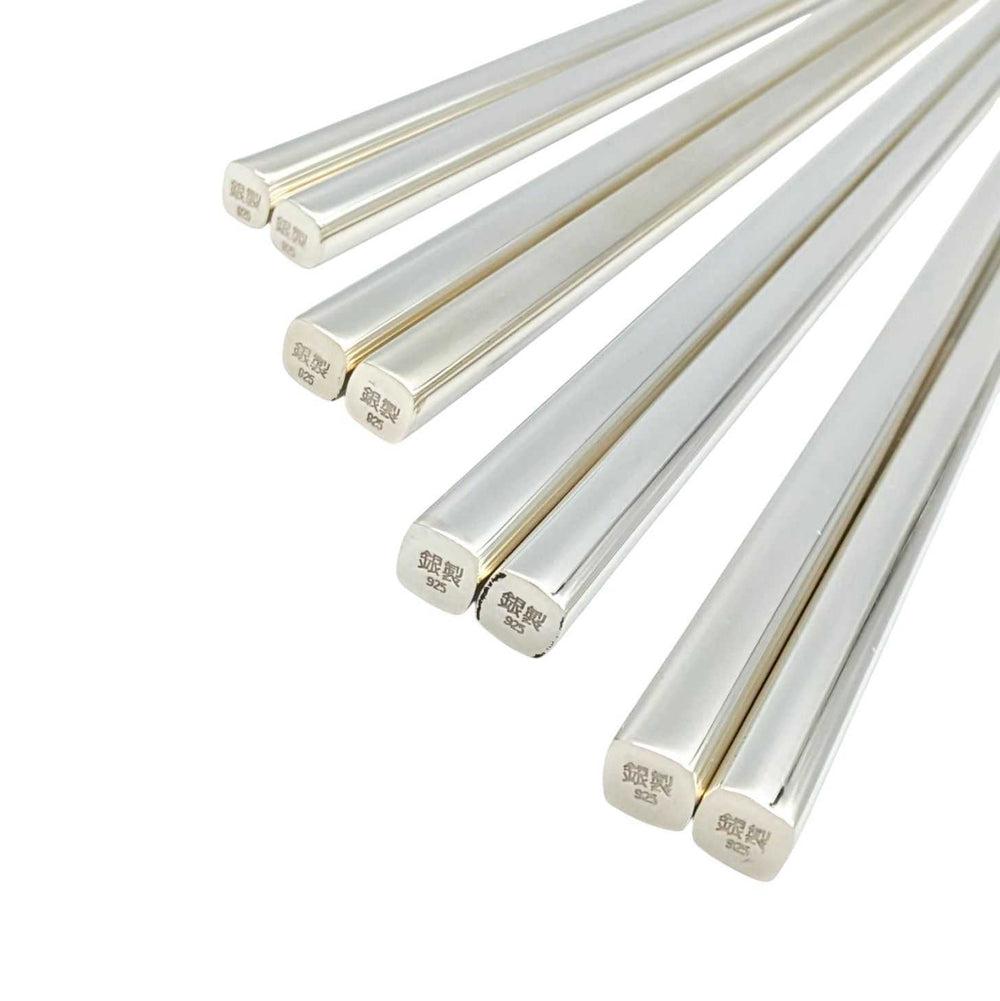
These pieces are crafted primarily from silver, with a base silver purity of at least 92.5%, also known globally as sterling silver.
 |
View 92.5% Pure Silver Chopsticks |
The Craftsmanship Behind Tokyo Ginki: Forging, Engraving, Finishing

The Tokyo Ginki tradition dates back to the mid-Edo period and continues today through the hands of highly skilled artisans. Each pair of chopsticks is the result of a collaborative process involving three specialized techniques:
- Forging (Tankin): Shaping solid silver by hand with a hammer to enhance strength and form.
- Engraving (Chokin): Creating intricate designs using chisels, adding a layer of artistic detail.
- Finishing (Chokin): Polishing and refining the surface for a smooth texture and pleasant mouthfeel.
Each piece reflects the precision and care passed down from Edo-era artisans, resulting in chopsticks that are both visually stunning and a pleasure to use.
Japanese Metalwork Honored Worldwide
Thanks to its exceptional technique and cultural value, Tokyo Ginki was designated a Traditional Craft of Japan in 1979. Today, it remains one of the most celebrated forms of Japanese metal art, highly sought after by collectors worldwide.
How To Identify Genuine Pure Silver Chopsticks
When investing in silver chopsticks, especially those intended as heirlooms or assets, it's important to distinguish solid silver from silver-plated items. The only pieces that hold long-term value are those made entirely of solid sterling silver—not just coated on the surface.
Look for the "SILVER 925" Mark and Hallmarks

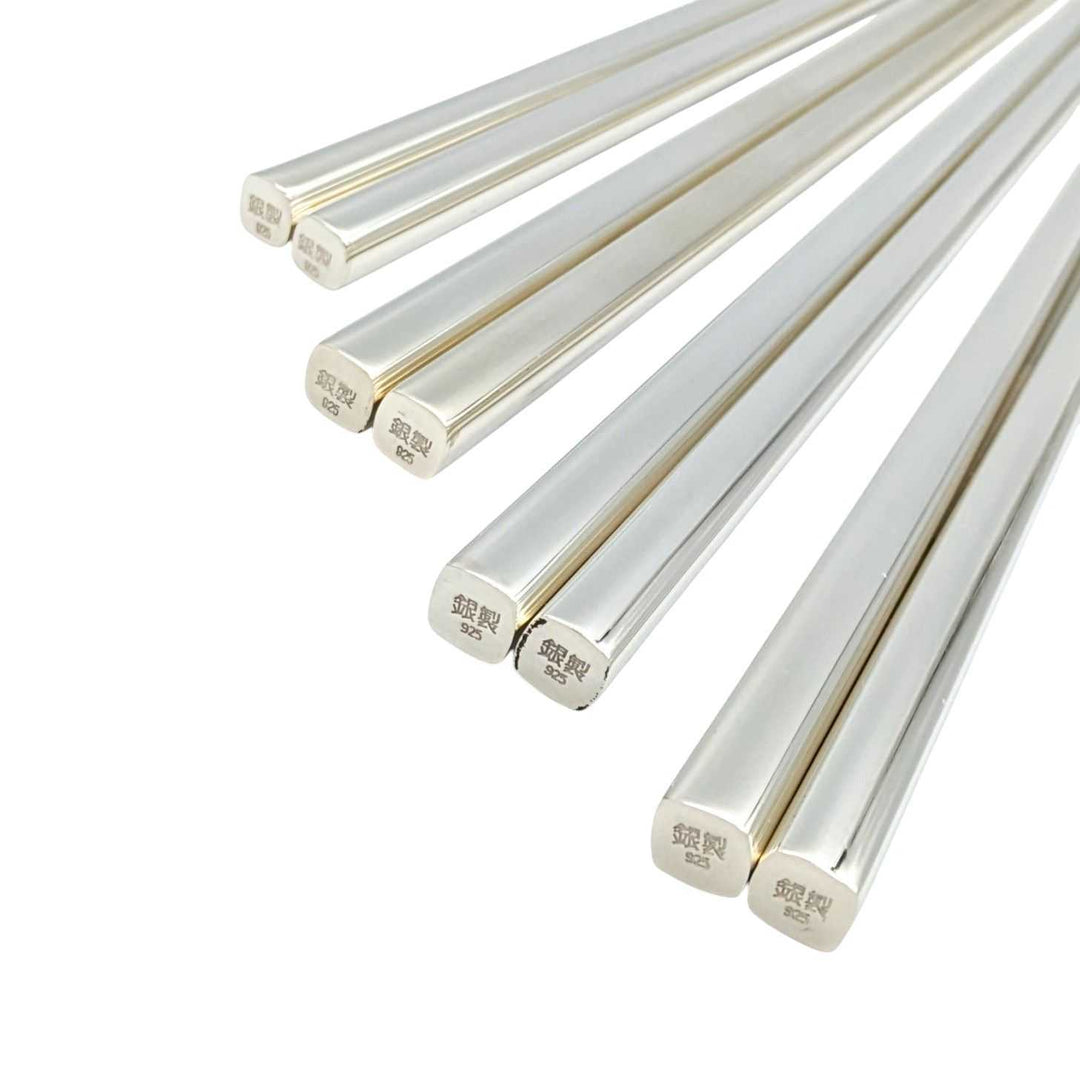
Authentic silver chopsticks carry clear indicators of their purity, including the "SILVER 925" stamp and, in some cases, a hallmark from the Japan Mint. Sterling silver, which contains 92.5% pure silver, is the global standard for combining lasting beauty with structural integrity.
Before purchasing, always check for these marks to ensure you're getting a piece that meets both quality and investment standards.
Are Silver Chopsticks Worth the Cost?
Given the high price—often tens of thousands of yen per pair—it's natural to wonder if silver chopsticks are genuinely worth it.
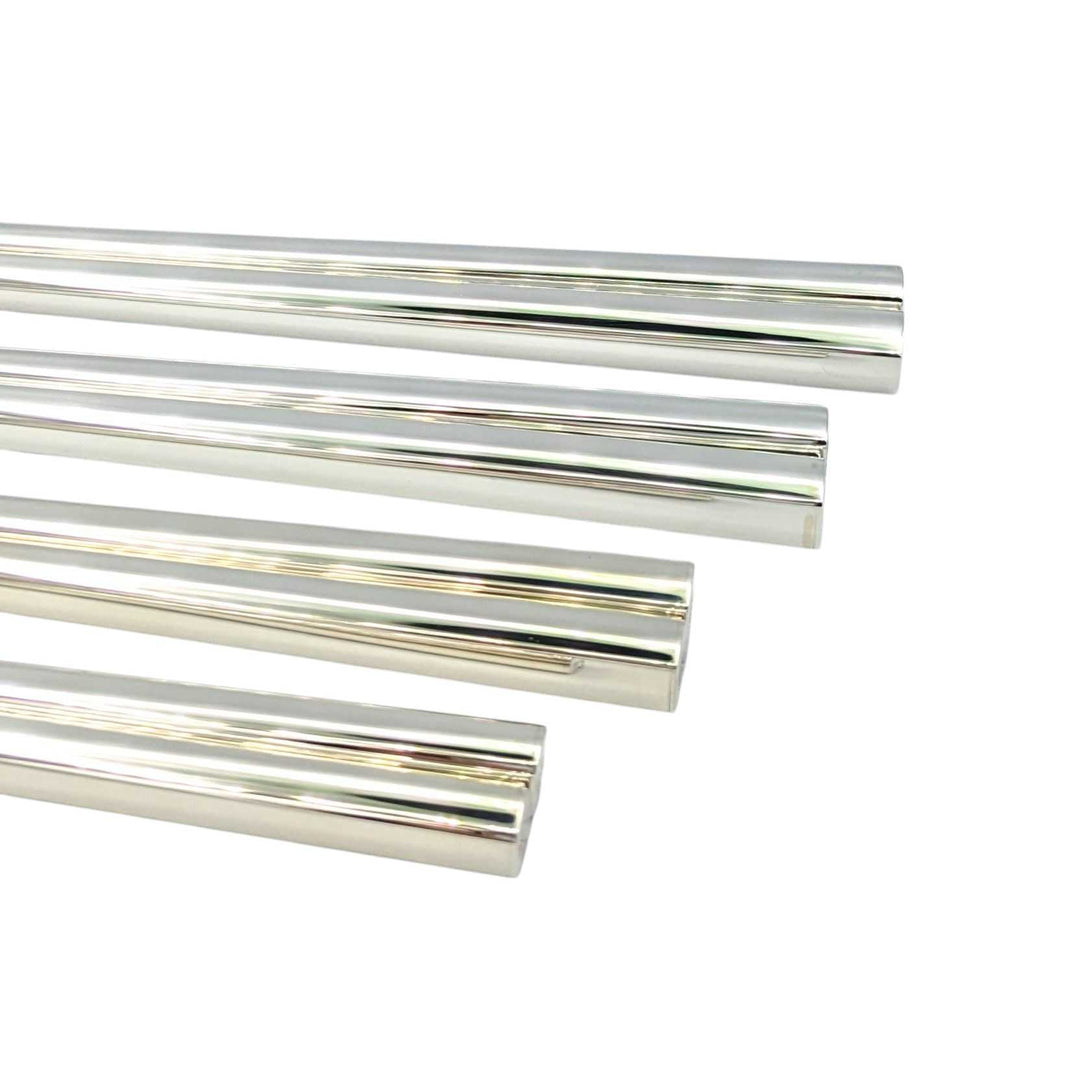
The answer becomes clear the moment you hold them. Chopsticks from Ginza Natsuno's Tokyo Ginki collection are not silver-plated. They are solid sterling silver, weighing between 120 and 134 g per pair—almost ten times heavier than standard wooden chopsticks.
This weight provides natural balance and stability, allowing you to pick up food with ease and elegance, without applying extra force.
Unlike wooden chopsticks, which wear down over time, silver chopsticks can be polished and restored indefinitely. Their shine and value can be preserved not just for one lifetime, but across generations.
When seen as a lifelong utensil—and a meaningful investment in both form and function—they are more than worth the cost.
How To Choose and Care for Silver Chopsticks
Find the Perfect Fit: Precision Sizes in 0.5 cm Increments
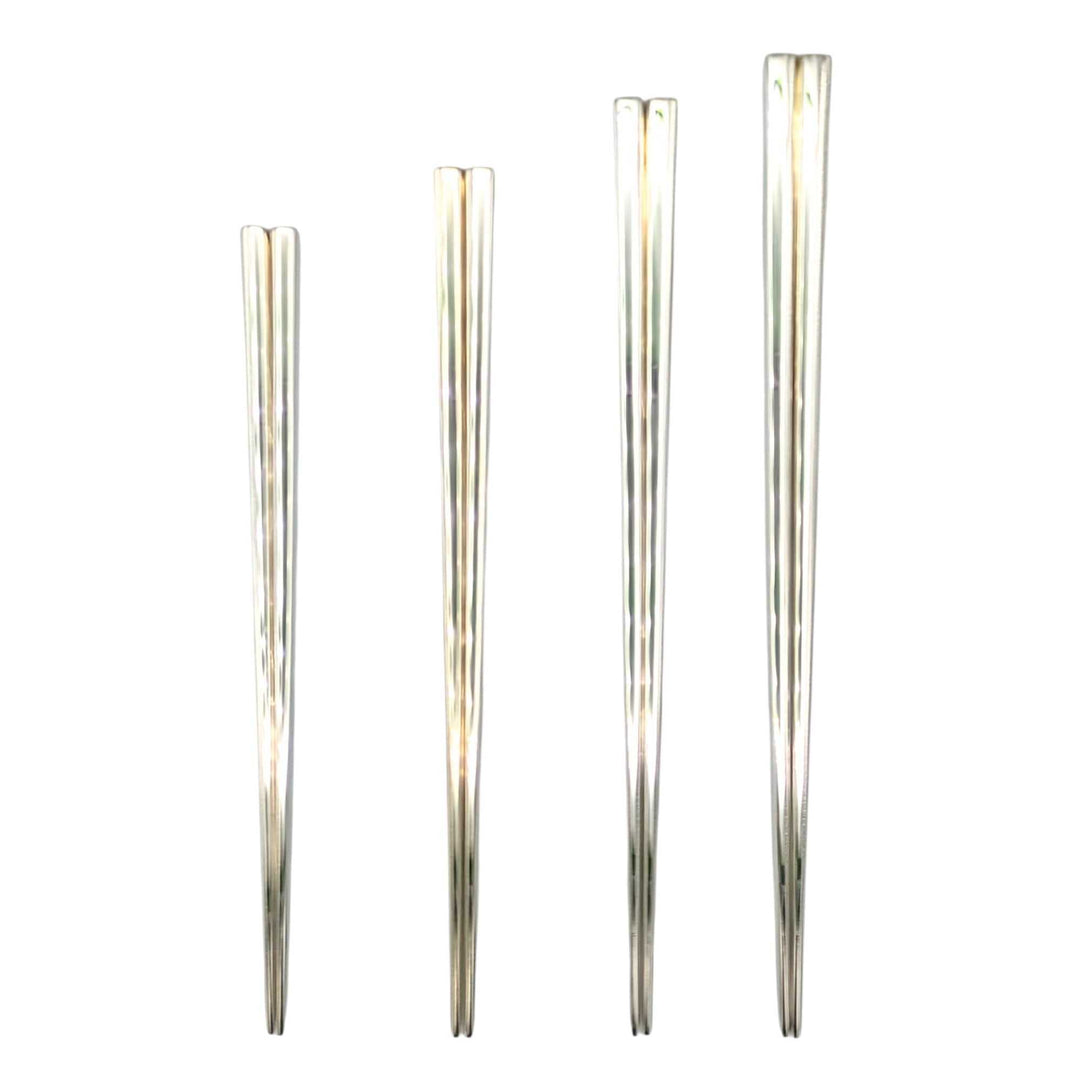
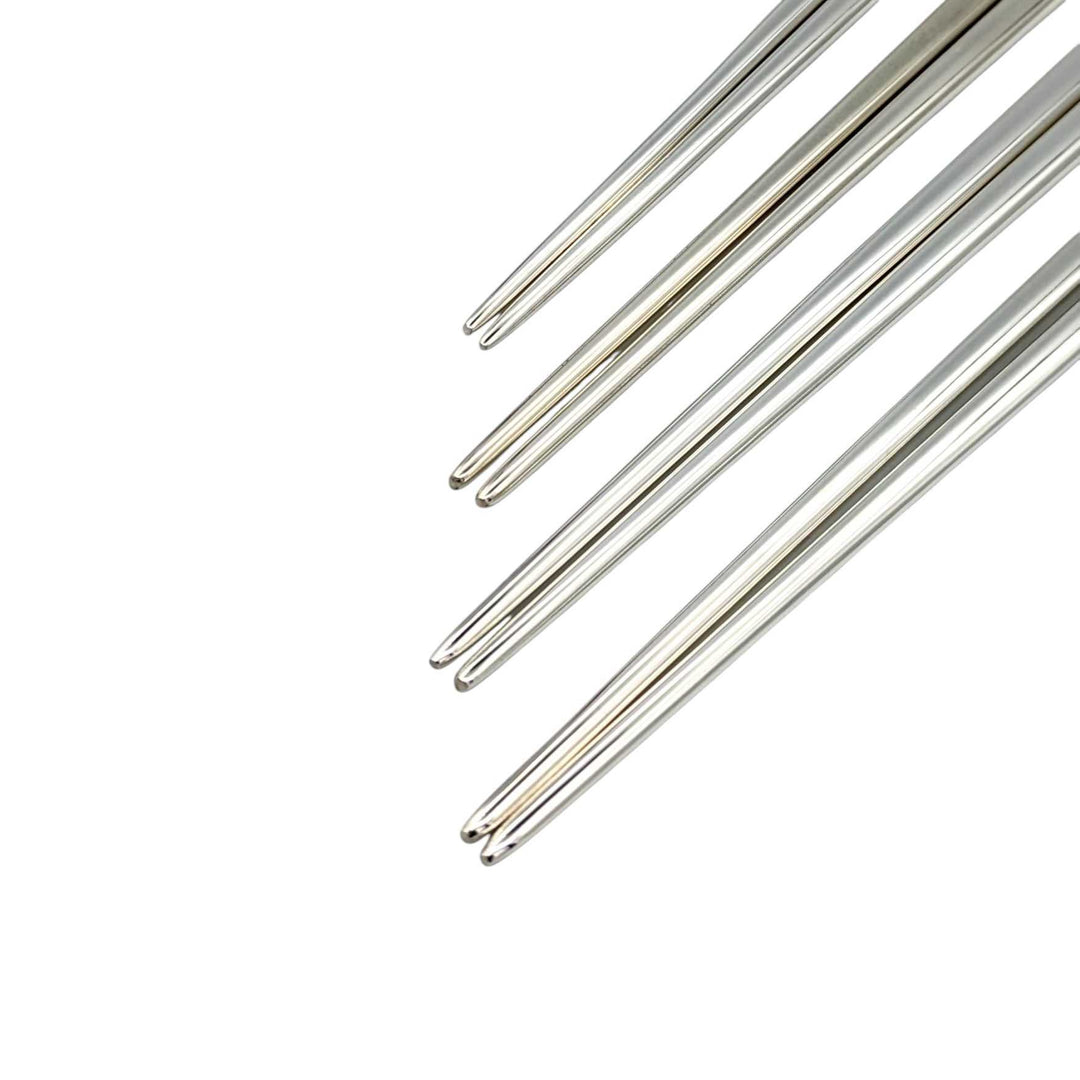
At Ginza Natsuno, we offer silver chopsticks in finely adjusted sizes to suit different hand sizes and grip preferences. Available lengths include 19.5 cm, 21 cm, 22.5 cm, and 23.5 cm—allowing you to choose a pair that feels made for you.

Need help choosing the right size? See our Chopstick Sizing Guide below.
Caring for Silver Chopsticks: How to Maintain Their Shine
Silver may seem delicate, but daily use is actually the best way to keep your chopsticks in top condition. After each meal, wash them gently with a mild detergent and a soft sponge, then dry thoroughly with a cloth. This helps maintain silver's natural, deep luster.
If discoloration occurs over time—a natural reaction to sulfur in the environment—you can easily restore the shine with a silver polishing cloth or a gentle baking soda paste. These small moments of care not only protect your chopsticks but also deepen your personal connection to them.
Silver chopsticks are not difficult to maintain. In fact, making them part of your daily routine is the best care they can receive.
For Those Who Appreciate Quality—Tokyo Ginki from Ginza Natsuno
Whether you're looking for something meaningful for yourself or a truly special gift, Ginza Natsuno's silver chopsticks make a lasting impression.
They're ideal for weddings, milestone birthdays, or commemorating achievements—and for anyone who values the comfort of fine tools and the quiet beauty of real craftsmanship.