The Complete Guide to Chopstick Rests: Etiquette, Materials, and Designs
Adding a single chopstick rest to your dining table can bring a sense of refinement to your everyday meals.
In this guide, Ginza Natsuno—Tokyo's leading specialty shop for chopsticks—leads you through the world of these miniature masterpieces. From basic dining etiquette that is often overlooked to the unique qualities of ceramics, glass, and lacquerware, we'll cover everything you need to know.
Whether you're looking to elevate your own table or find a souvenir that will delight friends overseas, this complete guide will help you find the perfect piece.
 |
Meet Our Expert, Mr. Minemura Mr. Minemura is a dedicated chopstick specialist, helping customers both online and in our Ginza store. With his deep knowledge of Japanese chopsticks, he offers guidance on selecting the perfect pair, explains the craftsmanship behind each set, and shares tips on how to use them properly. His approach is personal, ensuring that each customer finds a pair of chopsticks that suits their unique needs. |
What is a Hashioki? Its Name and Three Key Roles
In English, this tool is usually just called a chopstick rest or holder. In Japanese, it's known as a hashioki (箸置き), which literally means "a place to put your chopsticks."
But placing a hashioki on the dining table serves three important purposes:
- Hygiene: It prevents the tips of your chopsticks from touching the table, keeping them clean.
- Beauty: It brings the table setting together, creating a sense of refinement.
- Mindfulness: Setting your chopsticks down creates a pause (or "ma" in Japanese), allowing you to slow down and savor your meal.
It's a small gesture that can quietly enrich your everyday dining experience.
View Ginza Natsuno's Chopstick Rest Collection
Dining Etiquette You Should Know
Japanese aesthetics and manners are reflected even in small items like the chopstick rest. Here are the basics to help you feel confident at any Japanese table.
Correct Placement and Usage
Place the chopstick rest at the front left of your place setting (the bottom left relative to the plate).
Chopsticks should be set down with the tips pointing to the left, resting about 1 inch (2–3 cm) on the center of the rest. To keep the rest clean, it's considered polite to let the tips extend slightly beyond the rest, rather than placing the very ends directly on top.

Smart Alternatives When There Is No Rest
At restaurants, a chopstick rest isn't always provided. How you handle your chopsticks in these moments can reflect your table manners.
The golden rule is to avoid "watashi-bashi" (bridge chopsticks). Be careful not to rest your chopsticks across the top of a bowl or plate like a bridge. In Japan, this is considered poor etiquette, as it can imply that you've finished eating or evoke associations with funeral rites (crossing the Sanzu River).

If a chopstick rest isn't available, here are a few smart alternatives:
- The Chopstick Wrapper (hashi-bukuro): Fold the paper wrapper into a simple knot or tent shape to create a makeshift rest. This is a polite, stylish, and playful solution.
- The Tray or Plate Edge: If your meal is served on a tray, rest the tips on the left edge. You can also lean the tips against the rim of a small side plate, but be careful not to place them across it like a bridge.
For more details on chopstick etiquette, please see this article: How to use Chopsticks
Care Instructions and Dishwasher Compatibility
To keep your chopstick rests in good condition over time, it's important to care for them according to their material. As a general rule, delicate pieces are best washed gently by hand.
-
Ceramics: ◯ (Generally dishwasher-safe)
Most ceramic chopstick rests are dishwasher-safe. However, pieces with gold or silver detailing should be hand washed to prevent the decoration from wearing away. -
Glass: △ (Check before washing)
Thick glass is usually dishwasher-safe, but delicate cut glass (like Edo Kiriko) should be hand washed to avoid breakage and preserve its clarity. -
Lacquerware: × (Not dishwasher-safe)
Never put lacquerware in a dishwasher. High heat and strong detergents can cause cracking and discoloration. Wash gently with a soft sponge. -
Wood: × (Not dishwasher-safe)
Do not put wood pieces in a dishwasher. Avoid soaking them in water and wipe dry immediately after washing to prevent warping. -
Shell / Metal: × (Not dishwasher-safe)
Hand washing is recommended to prevent material damage, warping, or loss of luster.
How to Choose the Perfect Chopstick Rest
Ginza Natsuno offers a wide selection of chopstick rests crafted across Japan, including pieces made from ceramics, glass, wood, lacquerware, shell, and metal. Here's how to choose the right one based on the season and occasion.
1. Choose by Material: Season and Function
Ceramics (Pottery & Porcelain)
Features: Stain-resistant, easy to clean, and available in a wide range of colors and patterns.
Why we recommend them: Their glossy finish makes them suitable for both everyday use and special occasions. You can also enjoy distinct styles from different regions, such as Arita ware and Kiyomizu ware.
 |
Wood
Features: Warm to the touch and quiet, with no clinking sounds against dishes.
Why we recommend them: Wood complements natural table settings. Since they won't break when dropped, they're a particularly good choice for households with small children.
 |
Glass
Features: Transparent and brilliant, offering a cool, refreshing look.
Why we recommend them: Glass chopsticks are perfect for summer dining or serving cold noodles and desserts. Pieces made using traditional techniques like Edo Kiriko (cut glass) catch light beautifully.
 |
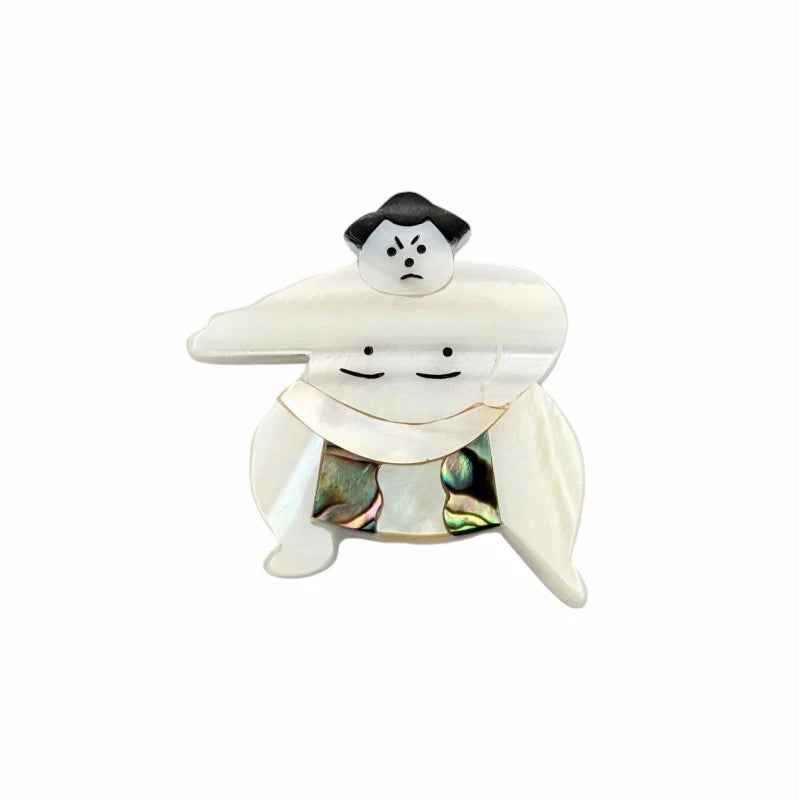
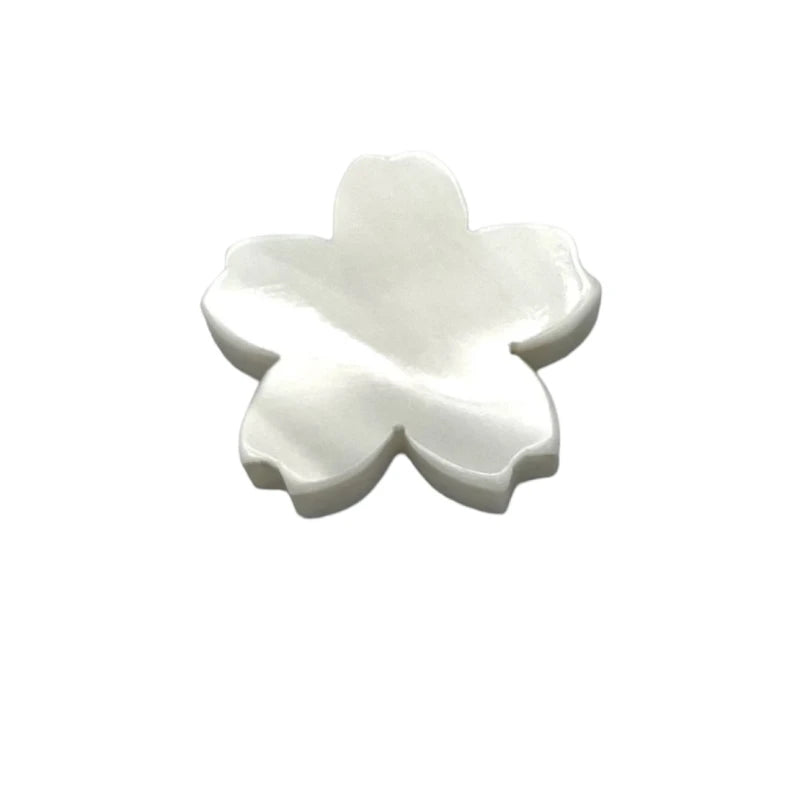
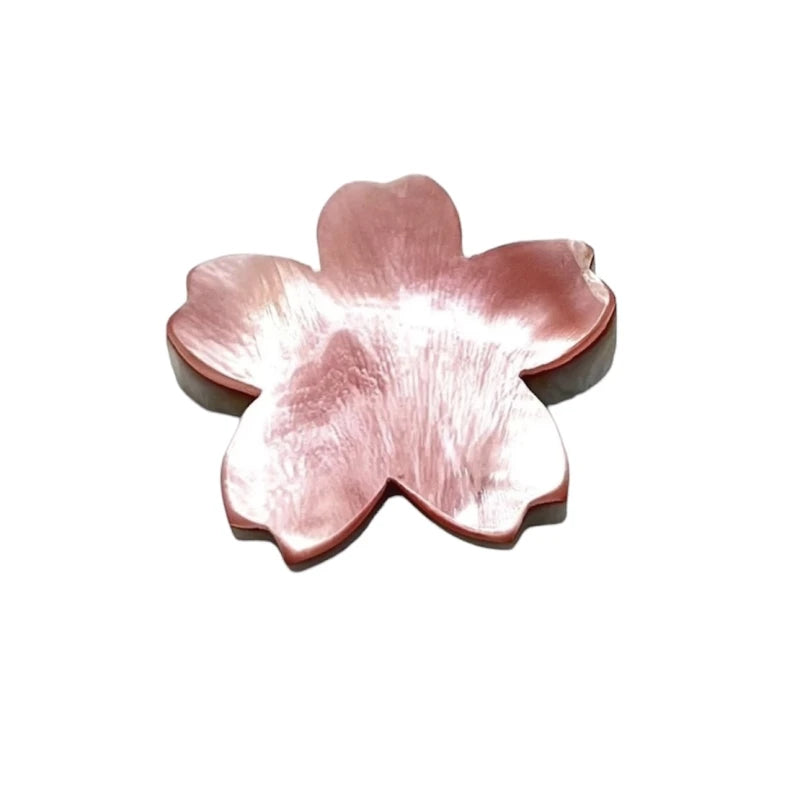
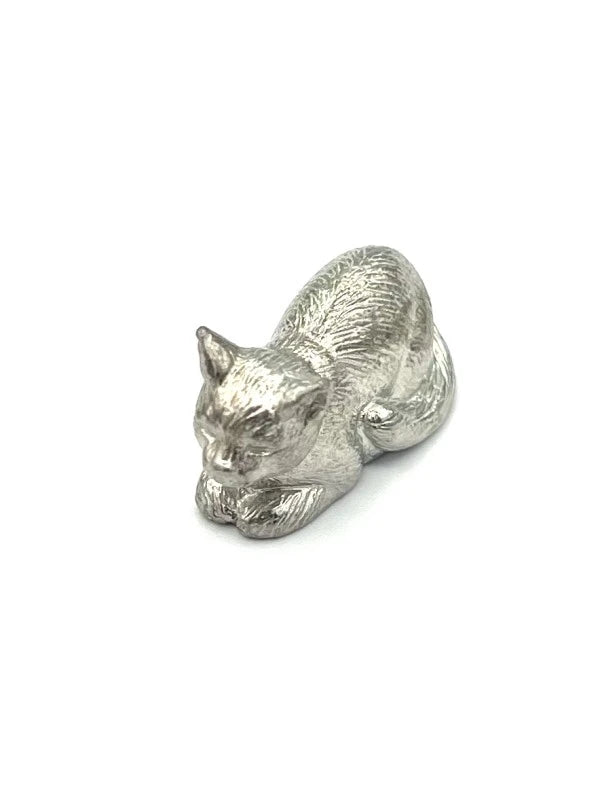
Lacquerware, Shells, and Metal
Why we recommend them: These materials exude luxury and add a touch of brilliance to New Year's celebrations, special anniversaries, and formal hospitality settings.
|
|
|
|


2. Choose by Design: Playfulness and Tradition
Animal Motifs
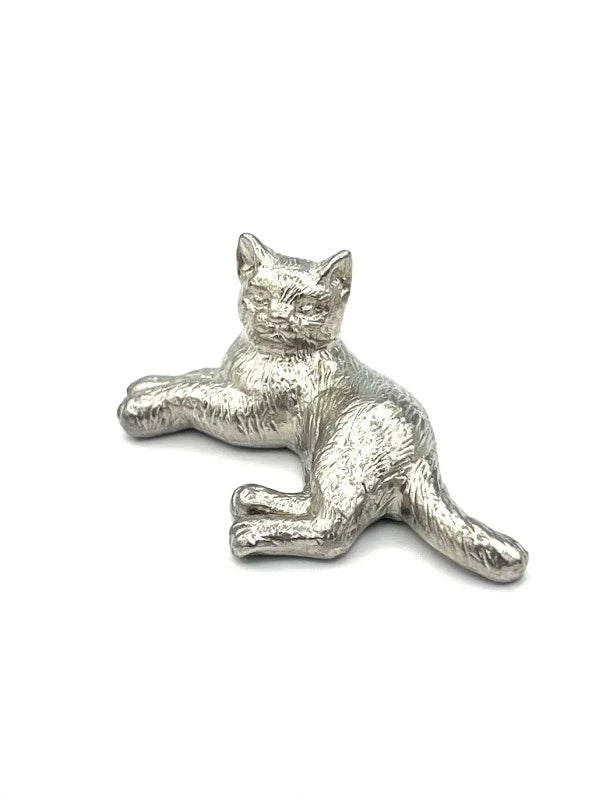
Cute designs featuring cats, rabbits, pandas, and fish make for great conversation starters. They're fun to collect, too!


Iconic Japanese Designs
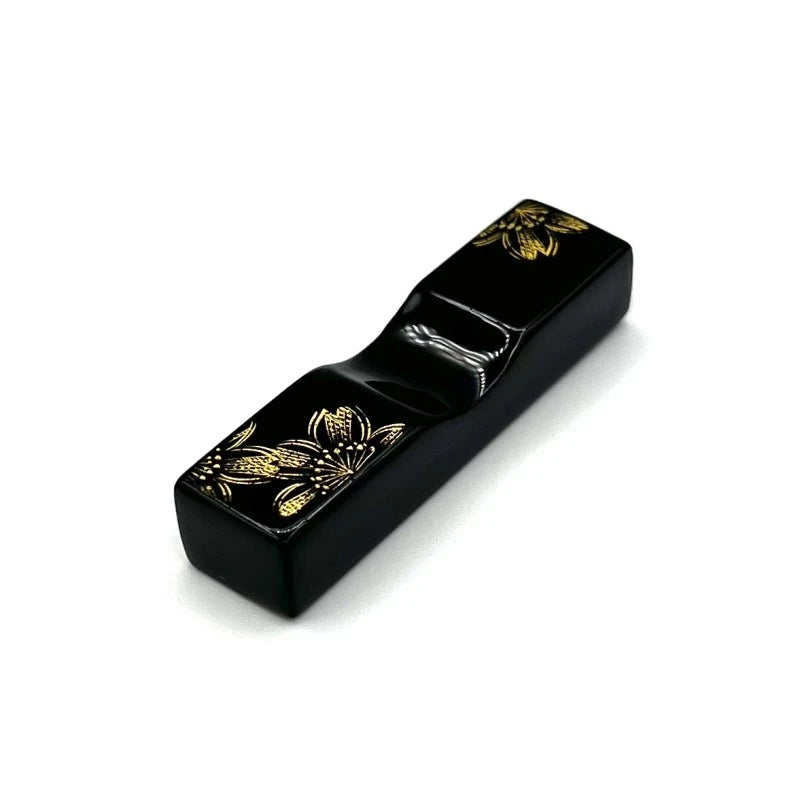
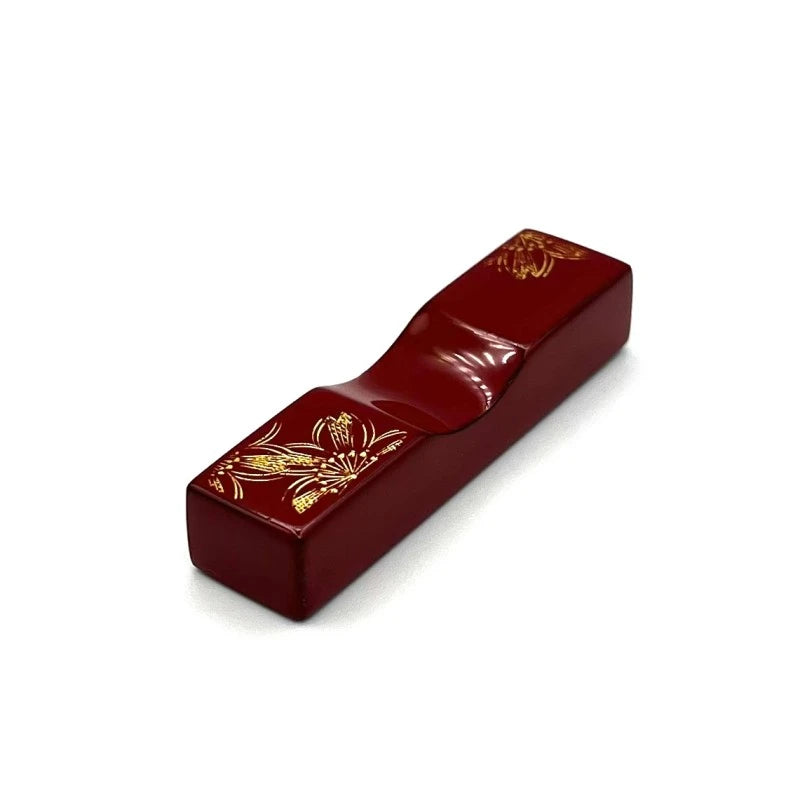
Motifs like cherry blossoms (sakura), Mt. Fuji, origami cranes, and ukiyo-e woodblock prints make for authentic, recognizable gifts for friends overseas.

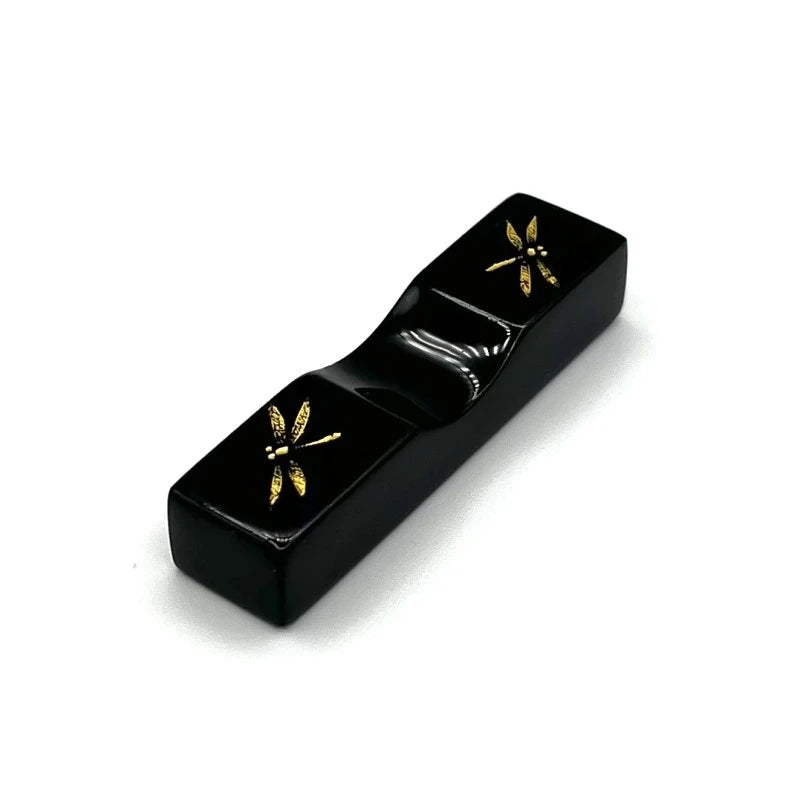
 Ebony Chopstick Rest with Seasonal Motifs
Food & Hobbies
You can also find unique designs inspired by personal hobbies, such as musical instruments or realistic food motifs like edamame.


When in Doubt: Choose a Chopstick and Rest Set
If you're unsure what to choose as a gift, or if you want a more unified look for your table, we recommend getting a set that includes chopsticks and a matching rest.
Sets that pair chopsticks and rests made in the same region or using the same techniques have a refined feel, making them suitable for gifts to superiors or for special occasions. Presenting a coordinated set creates a truly remarkable impression when the box is opened.
 |
Kawatsura Lacquerware Chopsticks with Textured Dry Lacquer Tips and Butterfly Design, with Matching Chopstick Rest (Engravable, in Paulownia Box) |
Enrich Your Dining Table with Handcrafted Art
A chopstick rest is a small masterpiece that keeps things clean while adding a sense of beauty to the Japanese dining table.
Many of the pieces offered by Ginza Natsuno are handcrafted chopstick rests made by skilled artisans. Unlike mass-produced products, no two are exactly the same, and each features unique hand-painted details and subtle color variations from the kiln.
These small works of art reflect the craftsmanship of traditional Japanese techniques and are perfect for those looking for a special piece to call their own.