How to Eat with Chopsticks: Etiquette Guide
If you struggle with how to eat with chopsticks, you are not alone. Many international visitors find it tricky to hold slippery food. By the end of this guide, you will feel like a true Japanese cuisine expert, fully confident in your table manners chopstick etiquette.
 |
About Your Guide – Mr. Minemura Minemura is a chopstick specialist who assists customers both online and at our flagship store in Ginza, Tokyo. With deep knowledge of Japanese craftsmanship, he helps each customer choose the right chopsticks—sharing insights into materials, artisans, and how to care for your items. |
How to Eat Ramen with Chopsticks

Tips for Lifting Noodles Without Dropping Them
When learning how to eat ramen with chopsticks, the most common mistake is trying to lift too many noodles at once. Instead, align the tips of your chopsticks, gather a small bundle of noodles, and gently lift them up.
You can also use a traditional soup spoon (Renge) as a small plate to catch the noodles before eating. While many local ramen shops provide basic disposable chopsticks(Waribashi), their rough, untreated wood can make it harder for beginners to grip food. Upgrading to a premium, engineered pair makes an incredible difference when figuring out how to eat ramen noodles comfortably.
Is Slurping Rude? Understanding Japanese Noodle Culture
In Japan, slurping your noodles is not rude at all! Locals slurp for two main reasons: it draws in cool air to protect your mouth from the hot broth, and it enhances the delicious aroma of the soup.
While making noise during meals goes against Western dining etiquette, it is perfectly natural in a Japanese noodle shop. There's no need to worry about perfect chopstick etiquette — just relax, slurp your soup, and enjoy the authentic experience.
Chopsticks for Ramen Recommended by Ginza Natsuno
 |
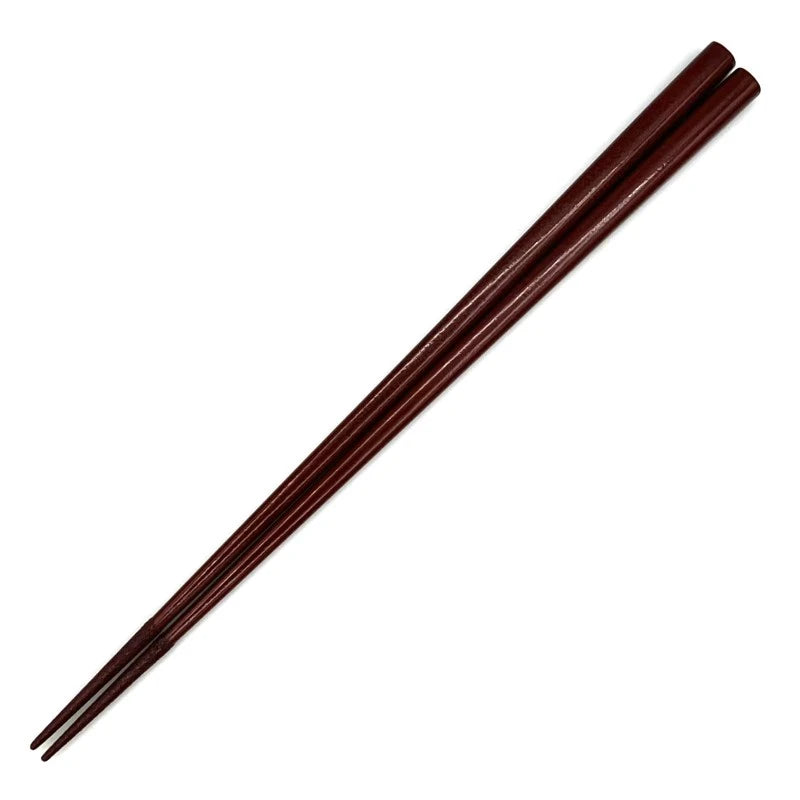
Kagawa Lacquerware Chopsticks with Textured Anti-Slip Tips |
Crafted using traditional Kagawa lacquerware (Kagawa-shikki) techniques from Kagawa Prefecture dating back to the late Edo period, these natural wood chopsticks feature a specialized textured lacquer grip at the tips that keeps slippery noodles from falling.
 |
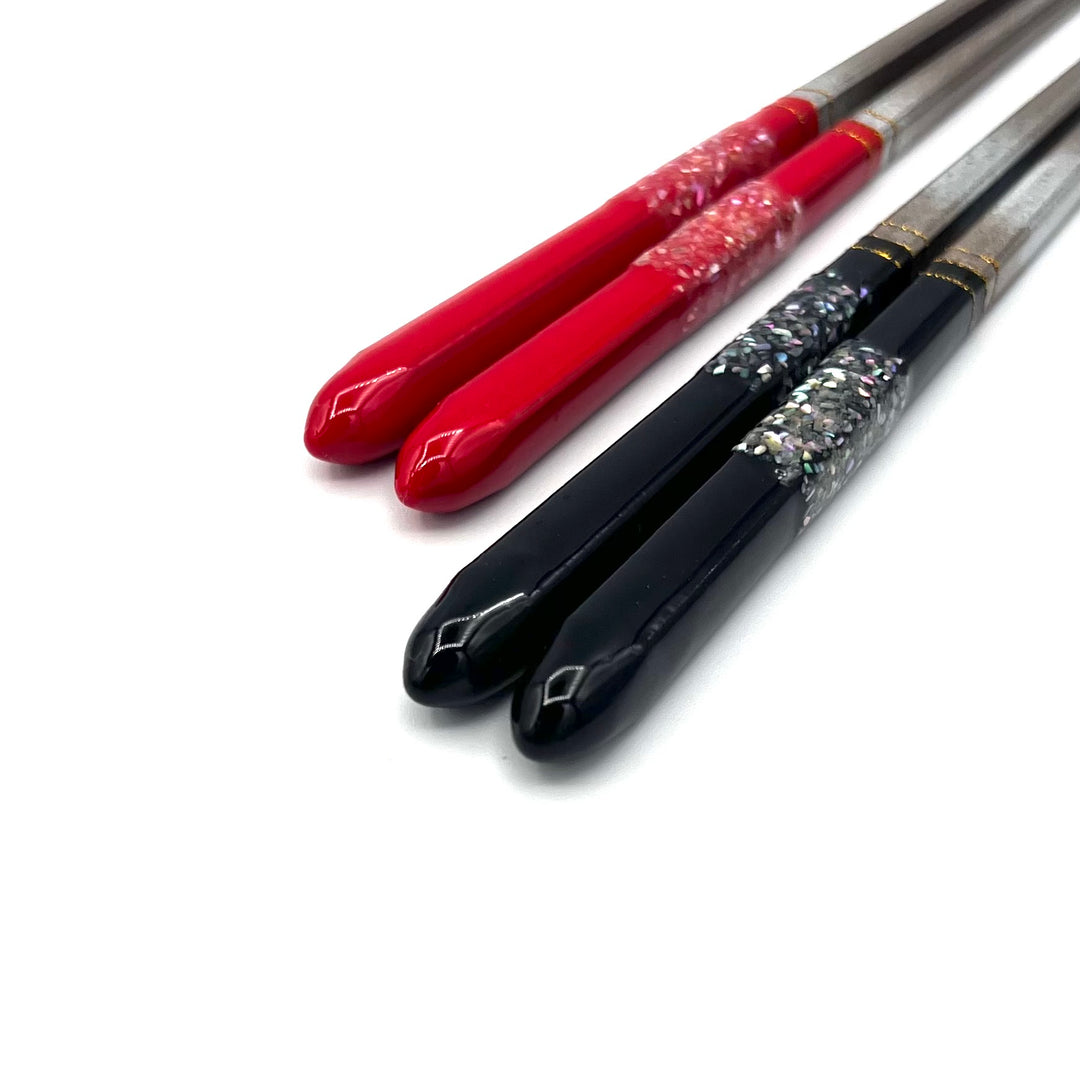
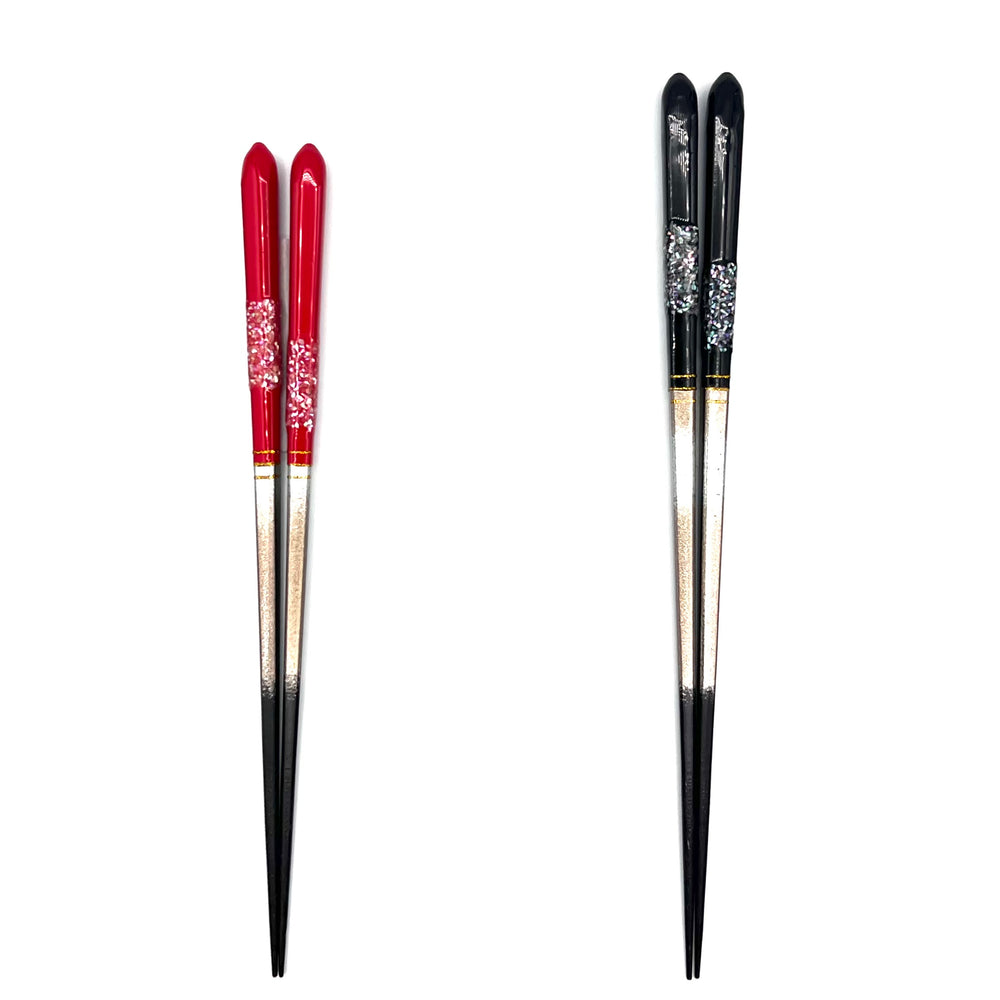
Wakasa-Nuri Starry Sky Chopsticks with Shell Inlay - Dishwasher Safe (Engravable) |
These stunning chopsticks showcase traditional Wakasa lacquerware (Wakasa-nuri) from Fukui Prefecture, decorated with elegant mother-of-pearl inlays. The fine tips are styled after a crane's beak to pick up even tiny food pieces effortlessly. It is a historic symbol of longevity that is fully dishwasher-safe and eligible for our custom name engraving service.
 |
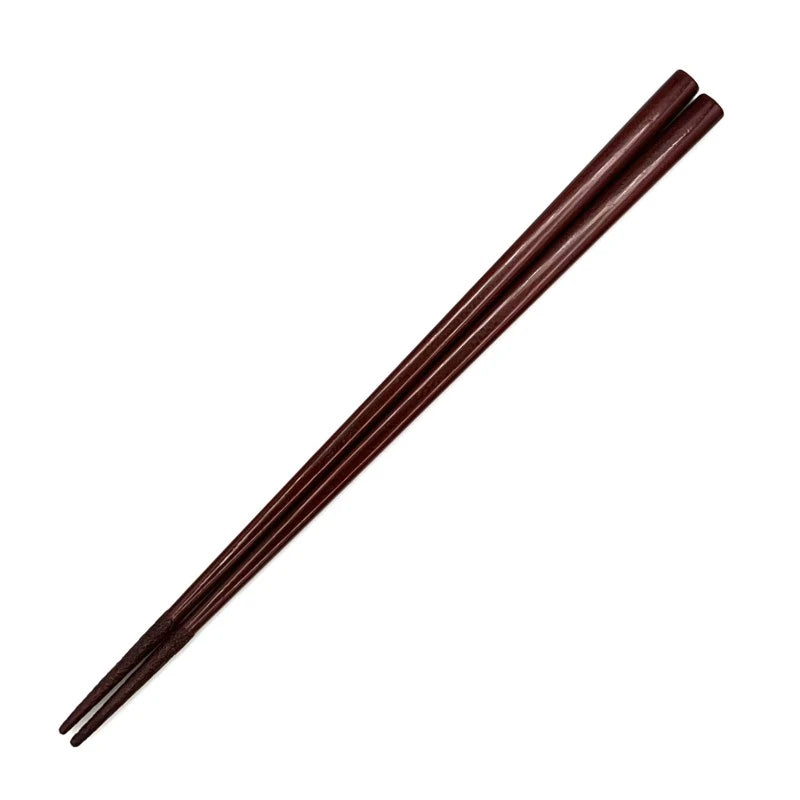
Edo-Karaki Octagonal Chopsticks |
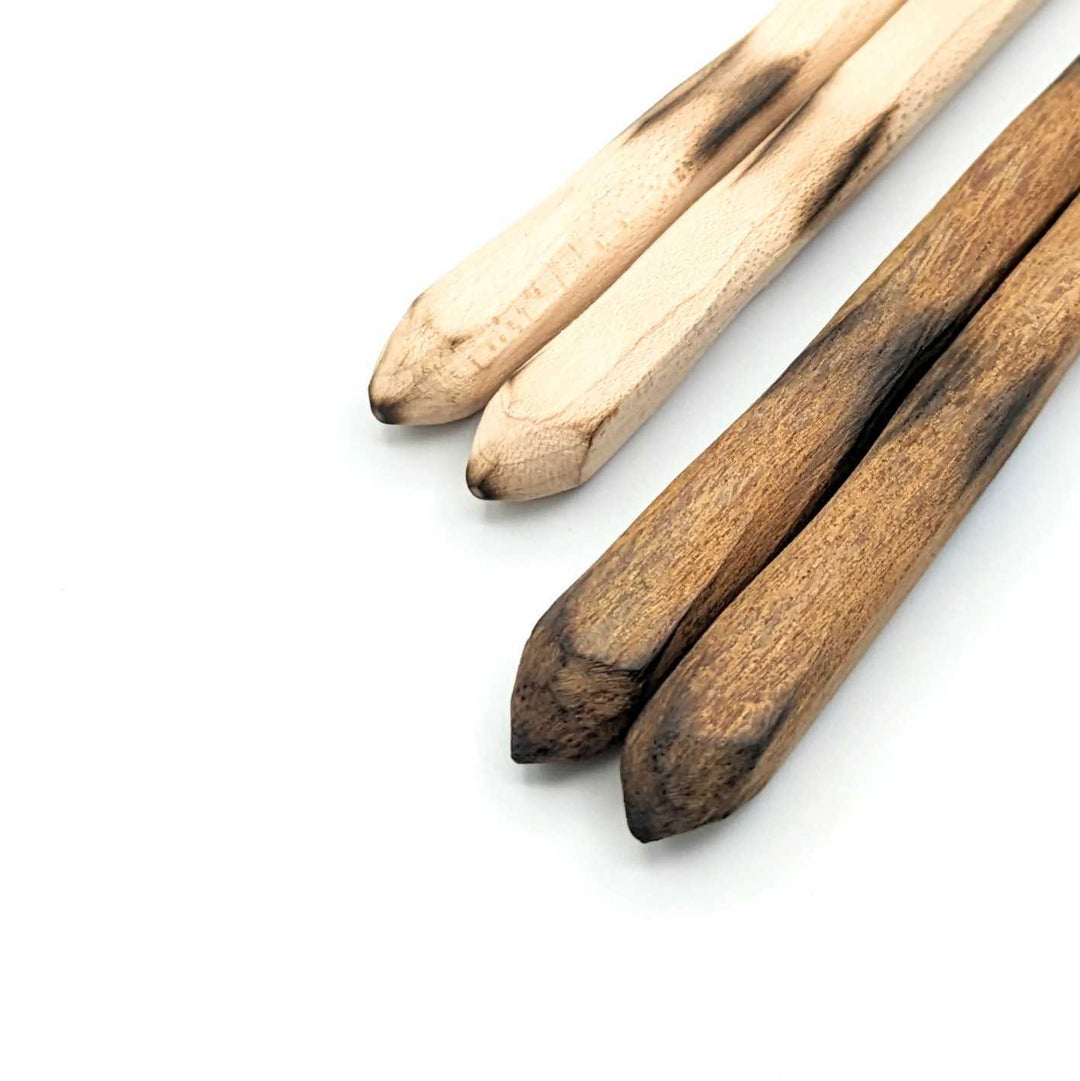
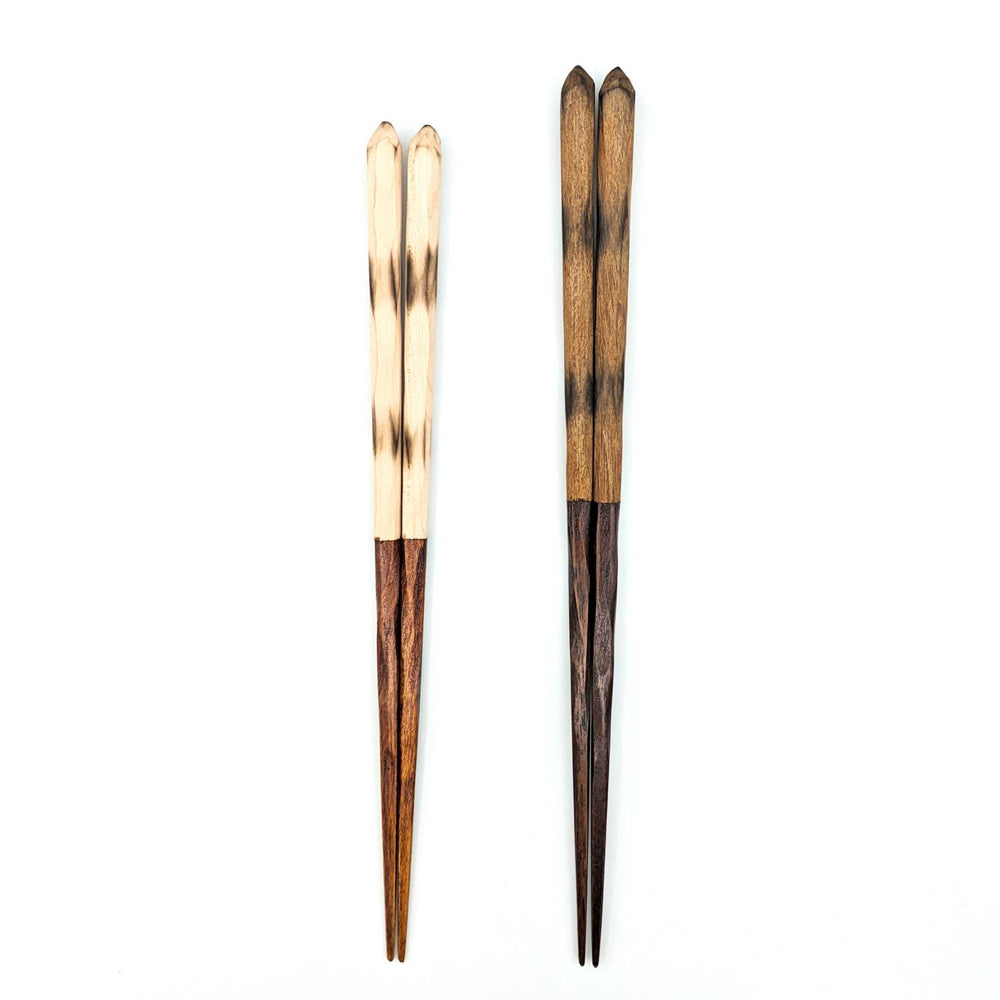
Handcrafted by the Shiokawa Woodworking Workshop, these octagonal chopsticks are made from premium high-density imported woods (Karaki). The comfortable eight-sided handle offers a natural, secure grip that makes handling slippery food effortless for everyday users enjoying home meals.
Explore Our Premium Chopstick Collection for Noodle Lovers
How to Eat Rice with Chopsticks

To fully appreciate Japanese cuisine, we highly recommend learning how to eat rice with chopsticks instead of a spoon. If your rice grains keep falling apart, the issue is likely your physical technique.
Authentic Japanese short-grain rice is naturally sticky. By simply bringing the tips of your chopsticks together and gently scooping from underneath, the rice will hold its shape effortlessly. The golden rule among chopstick rules is to keep the bottom chopstick completely still while moving only the top one. This simple adjustment gives you total stability without straining your hand.
Want to master your technique? Check out our expert guide below.
How to Use Chopsticks: Easy Grip and Practice Tips
How to Eat Sushi with Chopsticks
Check out our specialized guide to perfect your sushi dining experience.
Best Chopsticks for Sushi: How to Choose & Use Them
Chopstick Design: Why the Tips and Grip Matter
If you still find your food slipping even after practicing how to eat with chopsticks, the problem might be your utensils rather than your skill. Cheap, standard disposable options simply cannot match the performance of high-quality craft tools.
Chopstick tip shapes generally fall into three categories:
・Tapered Fine Tips: Easily slide between delicate noodles. Perfect for navigating ramen, buckwheat buckwheat noodles (Soba), and thick wheat noodles (Udon).
・Square Tips: Offer maximum stability and firm pressure, making them ideal for dense or solid foods.
・Rounded Tips: Gentle on delicate items, making them great for hot pot dishes (Nabe).
Bringing your own personal chopsticks (My-Hashi) to local restaurants is a fantastic, sustainable way to comfortably enjoy your culinary journey in Japan.
Read Our Expert Guide on How to Choose the Right Chopsticks
Discover the Sustainable Trend of Personal Chopsticks (My-Hashi)
Chopstick Etiquette and Dining Manners: Essential Rules to Know
Japanese Table Manners and Chopstick Etiquette
While there are many traditional chopstick rules, you do not need to be anxious about performing perfectly. Simply avoiding these three major chopstick taboos will show demonstrate good manners to your hosts:
- Sticking chopsticks upright in rice (Tate-bashi)
- Pointing at someone with chopsticks (Sashi-bashi)
- Passing food from chopsticks to chopsticks (Hashi-watashi)
Note: When sharing food, it is customary to place it on a small plate first rather than passing it directly between chopsticks. This practice helps avoid associations with Japanese funeral rituals.
Chopstick Rules for Travelers: What Matters and What to Ignore
Before eating, it is customary to say "Itadakimasu" (a polite expression thanking nature and the chef for the meal), and conclude with Gochisousama-deshita to show appreciation. These simple phrases are beautiful elements of our heritage.
Here is what you can completely ignore:
- Having an imperfect grip
- Slurping your noodles loudly
- Using your non-dominant hand
- The specific order of eating dishes
No local will ever judge you for making a mistake. However, showing awareness of proper chopstick etiquette helps your hosts see you as a thoughtful visitor. Japanese dining customs are based on mindfulness and respect for your companions, not harsh restrictions. Relax and enjoy your culinary adventure!
There is no need to worry too much about making mistakes with chopsticks. Most people in Japan understand that learning to use chopsticks takes practice, and no one expects perfect etiquette.
If someone uses chopsticks skillfully, people may be impressed. If not, it is usually not a concern at all. In fact, many Japanese people are still learning and improving their own chopstick skills.
Rather than strict rules, chopstick etiquette is about enjoying a meal together with consideration for those around you. Relax, enjoy the experience, and have fun discovering Japanese food culture.
Unlock the Joy of Japanese Dining with the Perfect Tools
A well-chosen pair of chopsticks can make every meal more comfortable and enjoyable. Learning a little about Japanese dining customs can also deepen your appreciation of the culture during your visit.
At Ginza Natsuno, we are dedicated to preserving and sharing the craftsmanship and traditions that have been passed down through generations. Whether you visit our flagship store in Tokyo or explore our online shop from the United States, we look forward to helping you find a pair of chopsticks that feels just right for you.